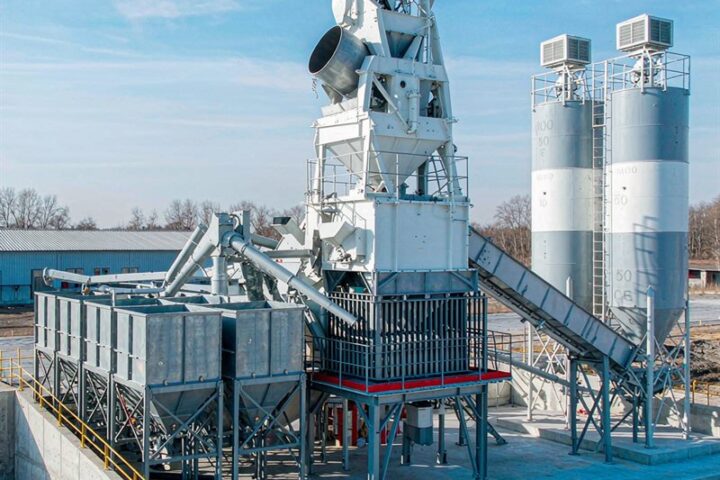
 Selection Guide
How to size a concrete batching plant for your output target
Output is set by cycle time and the number of mixers, not by the mixer's badge rating. A practical way to size a plant that actually delivers.
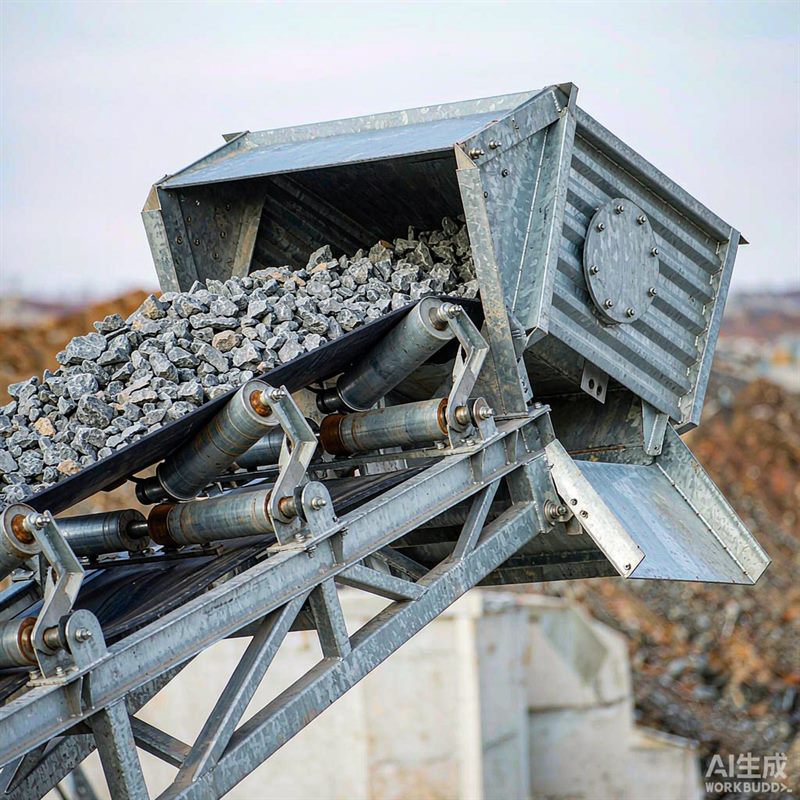
Belts move bulk material cheaply over distance; screws move powders cleanly over short runs. The deciding factors, and where each one fails.
The question of whether to use a belt conveyor or a screw conveyor for cement and similar powders comes up on nearly every plant layout. The answer usually follows from distance, duty and dust control.
## Distance decides more than anything
A screw conveyor becomes expensive per metre as length increases, because screw and casing weight rise with the run and the drive has to overcome the friction. Beyond roughly 15 metres, a belt conveyor is normally cheaper to supply and much cheaper to run.
Below about 6 metres, a screw is usually the better choice: it is compact, it can be dropped into a tight plant layout, and it does not need the headroom a belt discharge demands.
## Dust and material behaviour
Cement, fly ash and fine powders behave well in an enclosed screw. A screw is dust-tight by design, which matters where a fine powder is being transferred inside a building and local air quality is regulated.
A belt is harder to seal. Covered belts are available and work well, but the transfer points – loading and discharge – still need capture and extraction, and those are the points that leak in practice.
## Where each one fails
– **Screw with wet or lumpy material.** Damp powder compacts and blocks the flights. If your material can get damp, either dry the feed or choose a belt.
– **Screw with abrasive minerals.** Wear accelerates sharply. Wear plate lining and segmented flights help, but check the wear rate rather than assuming.
– **Belt with fine powder in the open.** Wind losses from an uncovered belt can be significant, and the losses become a housekeeping and air quality problem.
– **Belt with very steep inclines.** Standard troughed belts manage about 22 degrees. Beyond that, you are looking at a different machine, not a steeper belt.
## A practical rule
For short, enclosed, vertical or near-vertical movement of powders inside a building, screw conveyors and bucket elevators do the job. For long horizontal or moderate-incline movement of aggregate, minerals or clinker, use a belt. Where a plant needs both, the layout usually decides itself once you draw the material route.
Questions about anything in this article? Send us your operating conditions and we will answer with figures rather than a brochure.
Selection Guide
Output is set by cycle time and the number of mixers, not by the mixer's badge rating. A practical way to size a plant that actually delivers.
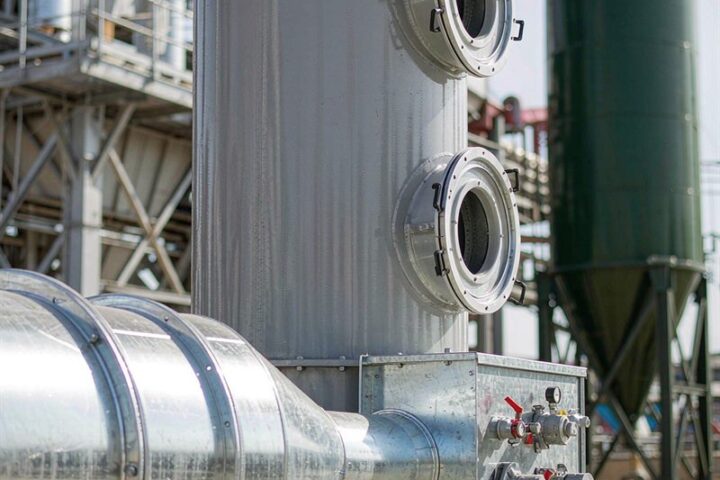 Maintenance & Operation
Most dust control systems fail at the capture hood, not the filter. How to check the real problem before buying a bigger collector.
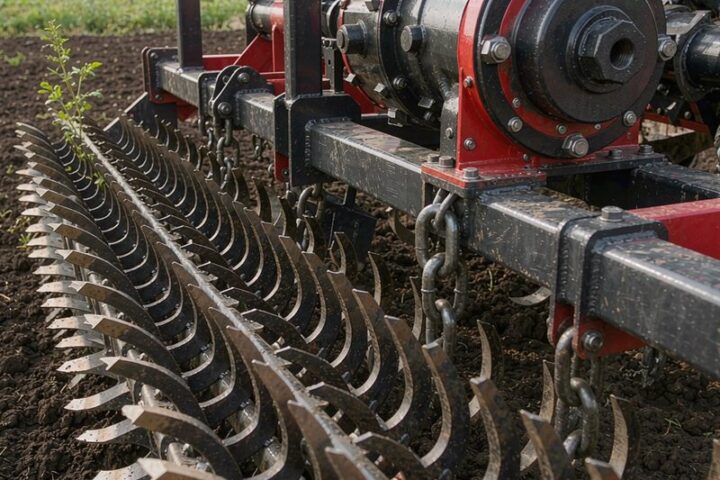 Selection Guide
They are not interchangeable. Soil type, residue level and tractor power each push the decision one way or the other.