 Selection Guide
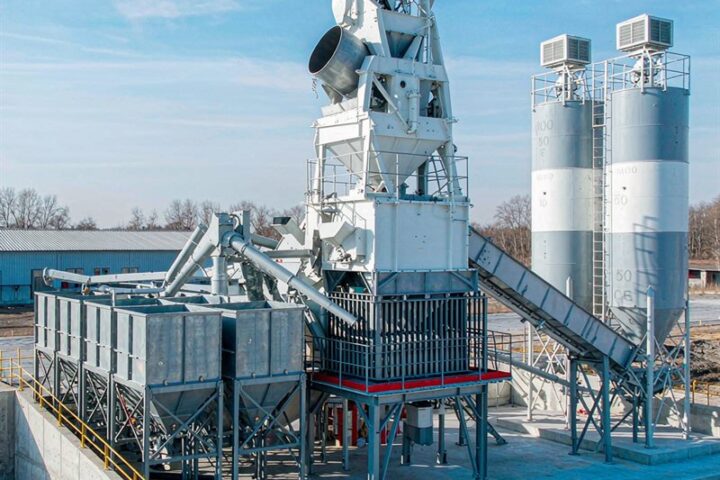
How to size a concrete batching plant for your output target
Output is set by cycle time and the number of mixers, not by the mixer's badge rating. A practical way to size a plant that actually delivers.
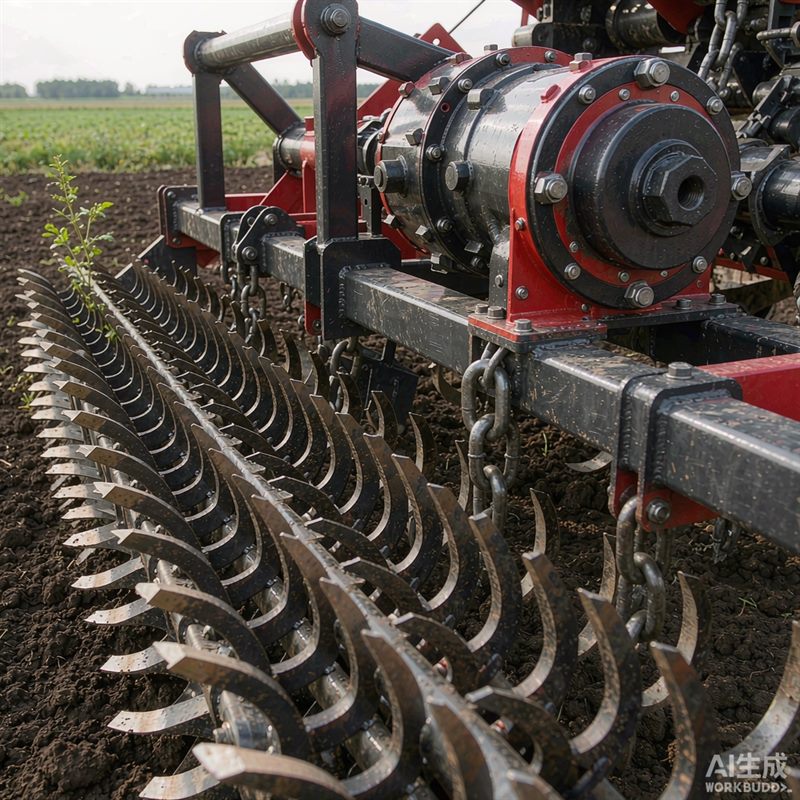
They are not interchangeable. Soil type, residue level and tractor power each push the decision one way or the other.
Buyers often treat disc harrows and rotary tillers as alternative ways to prepare a seedbed. They do different jobs, and choosing the wrong one usually shows up as either poor emergence or a tractor working at its limit.
## What each machine is for
A disc harrow cuts and turns: it breaks up clods, incorporates residue and works to a useful depth on hard ground. It is the primary tillage tool for compacted or stubble-covered soil, and it leaves a rough surface that resists erosion.
A rotary tiller pulverises: it chops the soil into a fine, level seedbed in a single pass. That is excellent for fine-seeded crops and for quick turnaround between crops, but it works the soil hard and, used repeatedly at the same depth, can create a compacted layer just below the tilled zone.
## Deciding factors
– **Residue load.** Heavy stubble or cover crop residue defeats a rotary tiller, which wraps and blocks. A disc harrow handles it.
– **Soil type.** On heavy clay, a disc harrow cuts and breaks; a tiller can smear wet clay into a sealed layer.
– **Soil moisture.** Rotary tilling wet soil causes smearing and structural damage. Discs tolerate damp soil considerably better.
– **Tractor power.** A rotary tiller demands more power per metre of width because it is driving a rotor through soil, not rolling discs.
– **Crop establishment.** Fine seed such as oilseed needs a level, fine seedbed, which is where the tiller earns its place.
## The combination that works
For most dryland cereal rotations, the practical arrangement is a disc harrow for the primary pass and a rotary tiller or a light harrow for the final seedbed. Used that way, each machine does what it is good at: the disc does the heavy work and the tiller produces the finish.
## Power and width
A common mistake is buying a harrow or tiller at the maximum width the tractor can nominally pull. On hard or sloping ground, the implement then runs at reduced depth and does not achieve what was intended. Size for the hardest conditions you actually expect, not for the easiest field on the farm.
Questions about anything in this article? Send us your operating conditions and we will answer with figures rather than a brochure.
Selection Guide
Output is set by cycle time and the number of mixers, not by the mixer's badge rating. A practical way to size a plant that actually delivers.
 Selection Guide
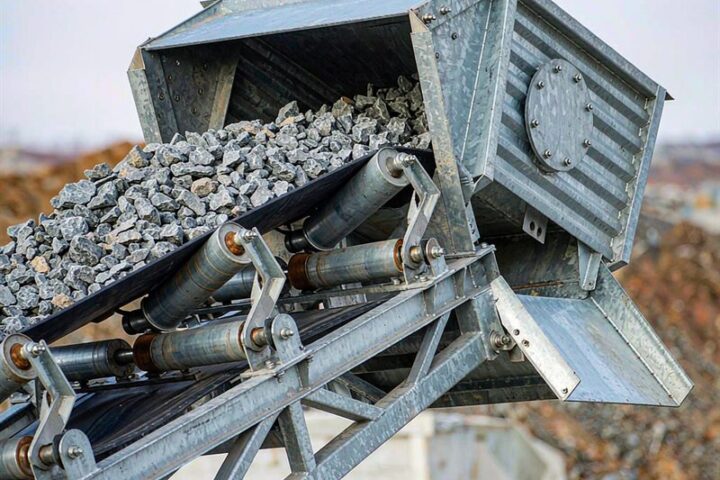
Belts move bulk material cheaply over distance; screws move powders cleanly over short runs. The deciding factors, and where each one fails.
 Maintenance & Operation
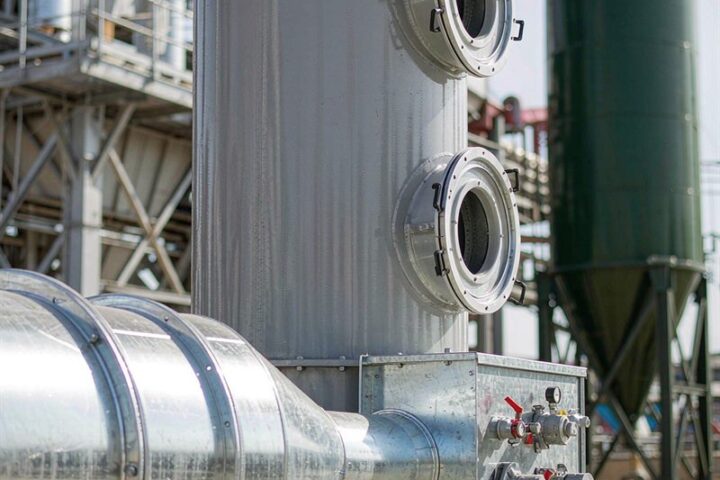
Most dust control systems fail at the capture hood, not the filter. How to check the real problem before buying a bigger collector.