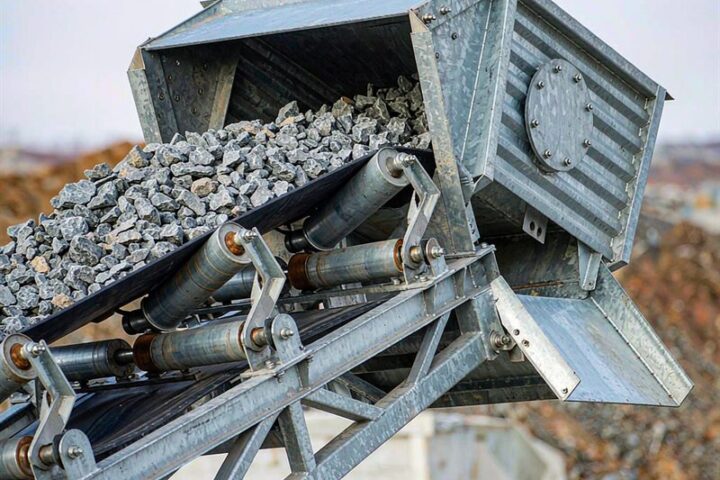
 Selection Guide
Belt or screw conveying for cement and powders
Belts move bulk material cheaply over distance; screws move powders cleanly over short runs. The deciding factors, and where each one fails.
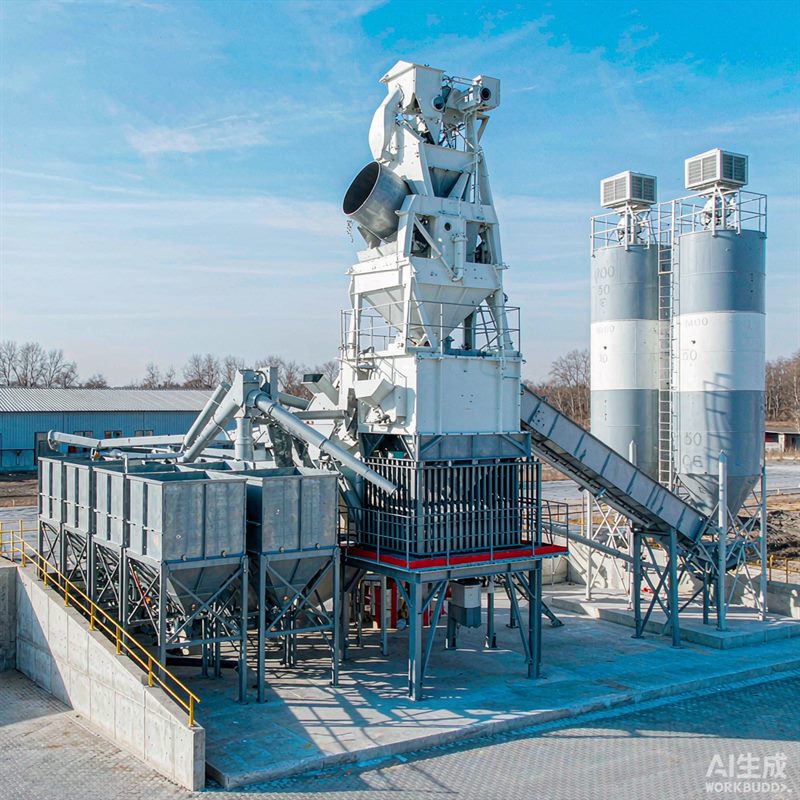
Output is set by cycle time and the number of mixers, not by the mixer's badge rating. A practical way to size a plant that actually delivers.
Almost every batching plant enquiry starts with a target figure in cubic metres per hour. That figure is rarely achieved by a plant chosen on the mixer rating alone, because the real limit is the cycle: charging, mixing, discharging and returning to charge again.
## Start from the cycle, not the rating
A twin-shaft mixer rated at 1 m³ per batch does not deliver 60 m³ per hour unless the complete cycle takes 60 seconds. In practice, aggregate charging, cement and fly-ash addition, mixing and discharge together take 90 to 150 seconds on a well-run plant with a single mixer.
So a single-mixer plant with a 1 m³ batch is realistically a 25 to 40 m³/h machine, not a 60 m³/h machine. If you genuinely need 60 m³/h continuously, you are usually looking at either two mixers or a larger batch size.
## The three things that decide real output
– **Aggregate charging method.** A loader feeding a ramp hopper is slower than a conveyor from a stockpile. On a plant running flat out all day, this is often the binding constraint.
– **Cement delivery.** Screw conveyors from silos are reliable, but undersized screws starve the weigh hopper and stretch every cycle.
– **Discharge and transport.** If trucks queue under the discharge chute, plant capacity is wasted. Match plant output to the number of mixers on the road.
## Where buyers get it wrong
Two mistakes come up repeatedly. The first is sizing for peak demand and then running at 30 percent utilisation, which wastes capital and makes maintenance more expensive per cubic metre. The second is sizing for average demand and then failing to serve a large single pour.
A workable compromise is to size the mixer for the largest routine pour and add storage and batching capacity ahead of it. That is usually cheaper than buying a second mixer that sits idle most of the month.
## What to send us
To get a straight answer rather than a brochure, send your required daily output, the largest single pour you expect, your aggregate delivery method, available footprint and headroom, and your power supply. With those five things we can tell you which configuration will hold up in daily service.
Questions about anything in this article? Send us your operating conditions and we will answer with figures rather than a brochure.
Selection Guide
Belts move bulk material cheaply over distance; screws move powders cleanly over short runs. The deciding factors, and where each one fails.
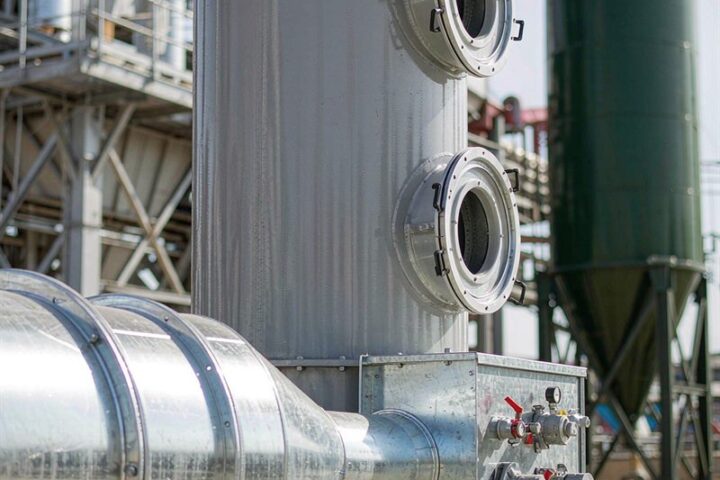 Maintenance & Operation
Most dust control systems fail at the capture hood, not the filter. How to check the real problem before buying a bigger collector.
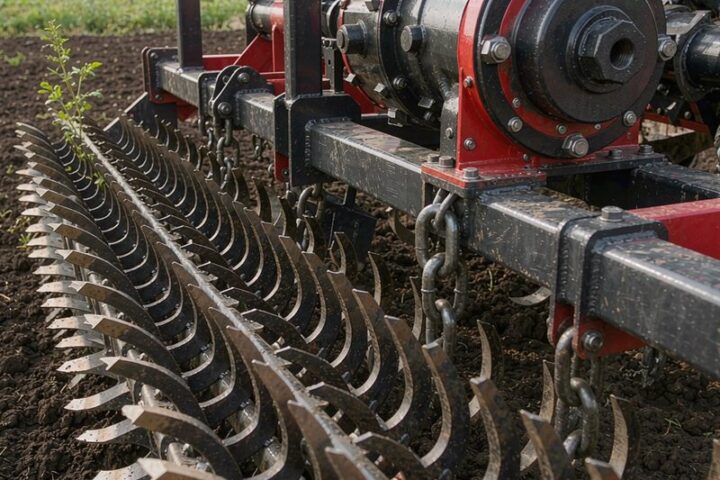 Selection Guide
They are not interchangeable. Soil type, residue level and tractor power each push the decision one way or the other.