 Selection Guide
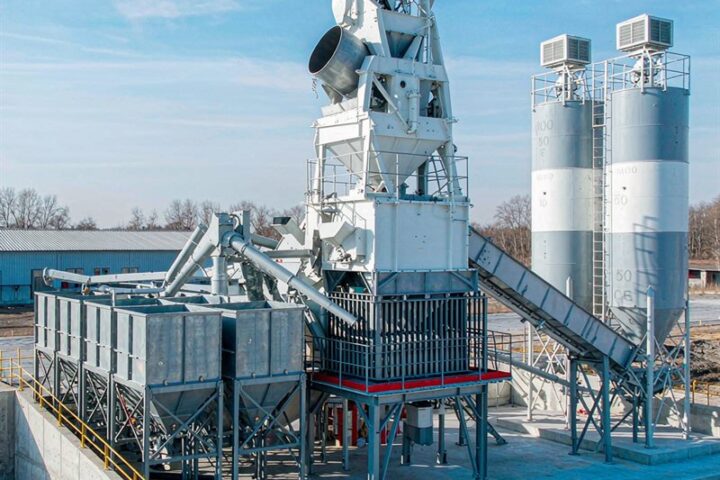
How to size a concrete batching plant for your output target
Output is set by cycle time and the number of mixers, not by the mixer's badge rating. A practical way to size a plant that actually delivers.
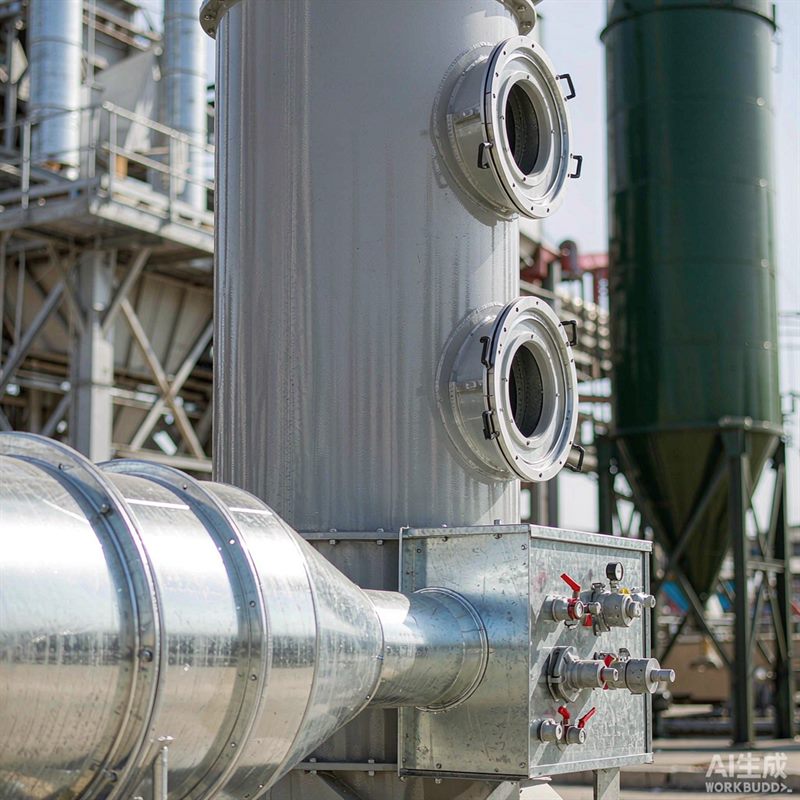
Most dust control systems fail at the capture hood, not the filter. How to check the real problem before buying a bigger collector.
When a plant fails a dust inspection, the first reaction is usually to order a bigger filter. In our experience the filter is rarely the problem. The problem is almost always the hood that is supposed to capture the dust before it escapes.
## The capture point is the whole system
A dust collector can only extract what the hood delivers to it. If the hood is the wrong shape, too far from the falling material, or open on the wrong side, the dust is already spreading through the building before any air reaches it. Making the fan bigger at that point just moves clean air around.
## Diagnosing a badly performing system
– **Check hood distance first.** A hood placed 500 mm from a falling stream instead of 200 mm loses most of its capture effectiveness.
– **Check hood shape against the direction of travel.** Dust released from a moving belt carries momentum in the belt direction. A hood opening facing the wrong way fights the flow instead of using it.
– **Check enclosure gaps.** Every gap that is not sealed is a place where air is drawn in, and that air comes out of the extraction budget.
– **Check hood, then duct, then balance.** Use a pitot tube or anemometer on each branch. An unbalanced multi-branch system typically starves the last hood on the run.
## Maintenance mistakes that pick up during the year
– **Never empty the hopper.** The hopper is a collection device, not storage. If it is full, dust re-entrains straight back into the filter and the site.
– **Pulse cleaning left on a fixed timer.** Differential pressure control uses the filter better and extends bag life. Timers fire regardless of load.
– **Damaged bags left in place.** One torn bag can put more dust into the air than the whole collector removes.
– **Compressed air pressure drifting low.** Pulse cleaning stops working properly and the pressure drop creeps up unnoticed.
## Before you buy a bigger collector
Measure the capture velocity at each hood, check the ductwork for leaks, and confirm the hopper discharge is actually sealing. In most retrofits we have done, fixing the hoods and rebalancing the branches achieved more than a larger filter would have, at a fraction of the cost.
Questions about anything in this article? Send us your operating conditions and we will answer with figures rather than a brochure.
Selection Guide
Output is set by cycle time and the number of mixers, not by the mixer's badge rating. A practical way to size a plant that actually delivers.
 Selection Guide
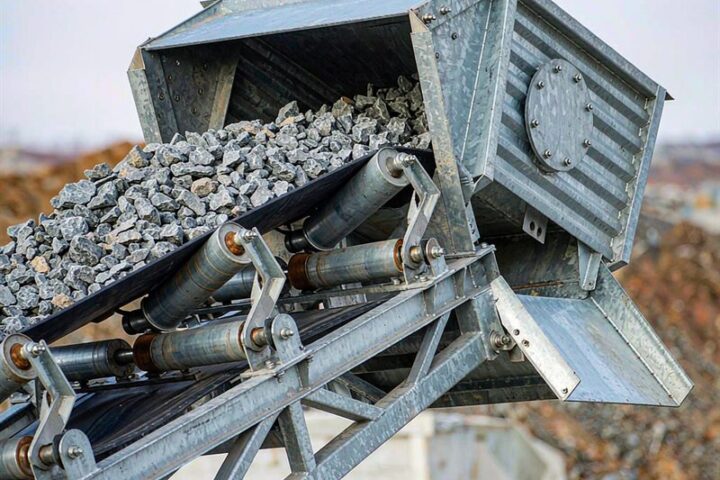
Belts move bulk material cheaply over distance; screws move powders cleanly over short runs. The deciding factors, and where each one fails.
 Selection Guide
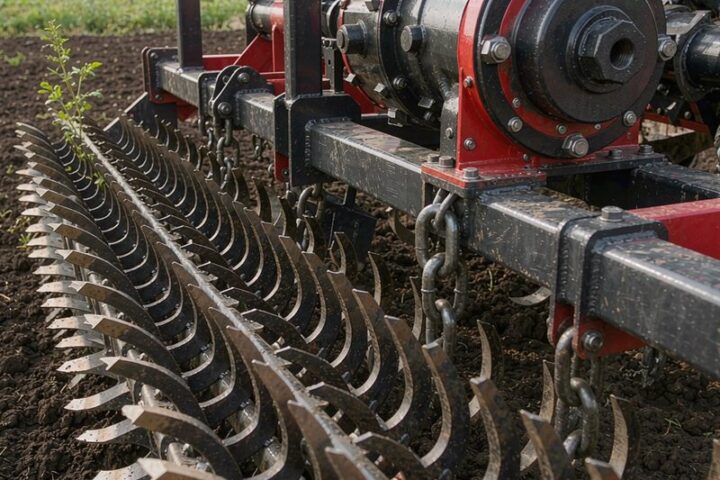
They are not interchangeable. Soil type, residue level and tractor power each push the decision one way or the other.